Why Followup Automation Matters
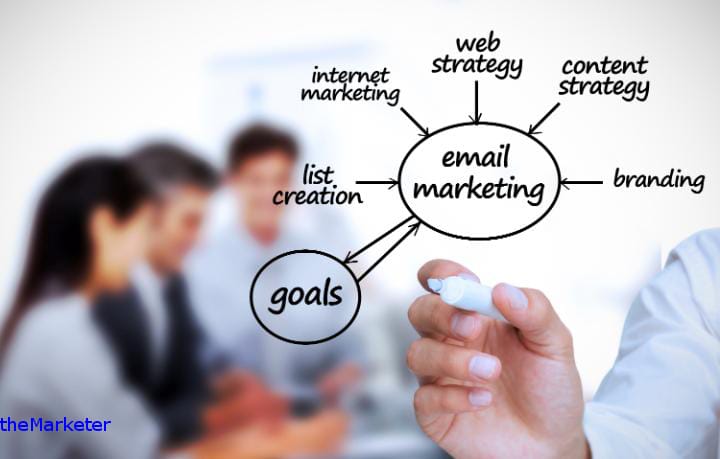
In the competitive landscape of customer engagement, maintaining consistent contact proves essential for building lasting relationships. Automating these interactions ensures that no lead falls through the cracks while freeing up valuable time for your team to focus on other priorities. This method has become increasingly popular as businesses seek efficiency without sacrificing the personal connection that drives success. Whether you run a small startup or manage outreach for a large corporation, the ability to set responsive systems in motion can lead to substantial improvements in productivity and outcomes.
As businesses look to make automated engagement more effective, choosing the right tools can make a significant difference in how these processes are managed. themarketer.com can provide a useful starting point for exploring solutions designed to organize communication and support more consistent customer interactions. With the right system in place, teams can refine their messaging, respond to behavioral signals, and maintain a steady connection with prospects without adding unnecessary manual work. This creates a smoother path from initial engagement to conversion while preserving the relevance and consistency that customers expect.
When implemented correctly, automated sequences deliver the right message at the right moment. They respond to customer behaviors, such as opening previous communications or visiting certain web pages, triggering a tailored response that feels timely and relevant. The result is higher engagement rates and more opportunities to convert interest into action. Over time, this consistent presence helps establish your brand as reliable and attentive to customer needs, creating a foundation for trust that manual processes often struggle to maintain at scale.
Designing Thoughtful Sequences
Creating an effective automated followup system requires careful planning from the outset. Start by mapping out the customer journey and identifying key moments where additional information or encouragement could make a difference. Consider what questions might arise at each stage and how you can address them proactively through your communications. This preliminary work prevents the common mistake of jumping straight into tactics without a solid strategy behind them, allowing for sequences that feel intentional rather than haphazard.
The content within these sequences should provide genuine value rather than constant selling. Share insights, tips, or stories that help recipients achieve their goals. This approach positions your brand as a helpful resource rather than just another vendor competing for attention. Think about the different types of content that might appeal at various points, from educational articles in the beginning to more detailed comparisons as decisions draw near. Varied pacing and tone keep the conversation fresh while guiding prospects naturally toward informed choices.
Selecting the Right Tools
Choosing appropriate software forms the foundation of successful automation. Look for platforms that offer robust triggering options, easy-to-use interfaces, and comprehensive reporting features. Many solutions now incorporate artificial intelligence to help optimize send times and content variations based on performance data. The variety available means you can find options suited to different budget levels and technical comfort zones without needing an entire department dedicated to management.
Compatibility with your existing systems matters too. Whether you use a simple customer database or a full-fledged CRM, seamless integration prevents data silos and ensures accuracy across all customer touchpoints. Take advantage of trial periods to test how well different options fit your specific needs before committing. During these trials, simulate real scenarios to see how the system handles your particular use cases, paying close attention to how intuitive the setup feels for daily operation.
The Art of Personalization
Personalization transforms automated messages from generic broadcasts into meaningful conversations. By leveraging data collected with permission, you can customize everything from the greeting to the recommendations included. Someone who recently browsed your pricing page might receive different followups than a first-time visitor exploring blog articles. This attention to individual circumstances demonstrates that you value their specific interests and builds a sense of genuine connection even within scaled operations.
This level of customization boosts relevance, which in turn improves response rates. Recipients appreciate when communications reflect their interests and behaviors, leading to stronger loyalty over time. However, balance is key to avoid crossing into overly intrusive territory. Always prioritize respect for privacy and preferences above all else when setting up these personalized elements, remembering that relevance stems from understanding rather than assumption.
Tracking and Optimizing Performance
No automation setup is complete without mechanisms for ongoing evaluation. Monitor key indicators such as delivery rates, engagement levels, and ultimate conversion outcomes. These metrics highlight which parts of your sequences resonate and which require refinement. Make it a habit to review this information on a regular schedule rather than waiting for problems to arise, treating the data as a conversation with your audience about what matters to them.

Make adjustments based on what the data shows. Perhaps shortening certain intervals or changing the tone of particular messages yields better results. The iterative process of testing and learning helps refine your approach continuously, making each cycle more effective than the last. Small changes can sometimes lead to significant improvements in overall performance, turning good sequences into exceptional ones that consistently deliver results.
Common Challenges and Solutions
Even well-planned automation efforts can encounter obstacles. Message fatigue represents one frequent issue, occurring when recipients receive too many communications in quick succession. Combat this by incorporating preference centers where people can choose their communication frequency or topics of interest. Giving control back to the recipient often results in higher satisfaction and better long-term engagement, transforming potential frustration into appreciated choice.
Compliance with privacy regulations demands constant vigilance as well. Always obtain proper consent before adding someone to automated flows and provide straightforward ways to opt out. Building transparency into your processes fosters trust and protects against potential legal complications. Stay updated on changing laws in different regions if you communicate with an international audience, making compliance part of your standard operating rhythm rather than an afterthought.
Overcoming Implementation Hurdles
Getting started with automation often involves a learning curve that can discourage some teams at first. Begin with simple sequences and gradually add complexity as you become more comfortable with the tools and concepts involved. Training staff on how to manage and monitor these systems ensures that everyone understands their role in maintaining effectiveness and spots opportunities for improvement early.
Technical issues may arise unexpectedly, from integration bugs to deliverability problems with certain providers. Having support resources available, whether through the platform provider or internal experts, helps resolve these quickly so they do not disrupt your customer communications. Patience during the initial phases pays off once the systems begin running autonomously, allowing teams to shift focus toward strategy instead of repetitive tasks.
Case Studies in Successful Automation
Many organizations have seen remarkable results from well-executed followup sequences. One software company noticed a thirty percent increase in trial conversions after implementing a series of helpful tips and feature highlights delivered over several weeks. Their careful attention to timing and content relevance made all the difference in helping users see the value in their product while reducing the workload on sales staff.
In the retail sector, a clothing brand used automation to re-engage past customers with personalized recommendations based on previous purchases. This strategy not only boosted repeat sales but also gathered additional data that further improved future campaigns. These examples illustrate the potential when automation combines with strategic thinking and a clear focus on customer benefit at every stage of the journey.
Future Directions in Customer Communication
Looking forward, advancements in technology promise even smarter automation capabilities. Predictive analytics may soon anticipate customer needs before they express them, while natural language processing could enable more conversational interactions. These developments will likely make personalized outreach more scalable and impactful for businesses of all sizes, opening new possibilities for creative engagement.
Staying adaptable remains crucial as these tools evolve. Regularly assess your strategies against emerging best practices and be willing to incorporate new methods that align with your objectives. Those who embrace innovation in their communication practices will likely maintain an edge in building customer relationships that last well beyond the initial interaction.
By focusing on automation for followup sequences, companies can significantly improve their email marketing results while building more meaningful customer connections. The key lies in thoughtful implementation, continuous refinement, and a genuine commitment to providing value at every step. With the right approach, these systems become powerful assets that drive growth and efficiency in your outreach efforts. Additionally, integrating email marketing best practices ensures that every automated message contributes to broader campaign goals and reinforces your overall brand message.